TRAVEL GUIDE
SEE YOU IN AFRICA!
Welcome, fellow travelers, music lovers, and adventure seekers! We are absolutely thrilled that you’ve taken this cultural and musical leap with us—venturing into lands yet unseen by most music fans, where every moment promises to be a feast for the senses.
When we set out on this journey, our goal was simple: to open new doors and new destinations through the universal language of music. And while your favorite band might be rocking the stage, let’s be honest—the real headliner here is Morocco itself. With its ancient medinas, bustling souks, mouthwatering cuisine, and landscapes that stretch from the golden dunes of the Sahara to the vibrant streets of Marrakech, this is a destination that doesn’t just set the stage—it steals the show.
By day, we hope you lose yourself (but not literally—Google Maps is your friend!) in the maze-like alleyways of the medina, savor the scent of fresh mint tea, marvel at centuries-old architecture, and dance with snake charmers (or at least take a selfie with one). And by night, under the vast North African sky, you’ll experience the magic of live music in a fun relaxing villa setting located outside the hustle and bustle of the city.
This is just the beginning. Our Pilgrimage of Sound is only getting started, and we can’t wait to take this show on the road to more incredible places in the future. But for now, Morocco is calling, Marrakech is waiting, and the adventure of a lifetime is about to begin.
Pack your bags, bring your dancing shoes, and get ready for the ultimate experience.
Welcome to morocco!
Morocco is a sensory explosion. From the vibrant colors of the souks to the mouthwatering tagines and the donkey traffic jams, this place is a wild, wonderful adventure. Whether you’re navigating the labyrinth of the Medina or chilling on a rooftop with mint tea, Marrakech will steal your heart!
Where Do I Even Start?
Moroccan hospitality is legendary. If you need help or advice, don’t hesitate to ask us. We’ll happily organize tours, taxis, and dinner reservations—or even invite you for tea.
Practical information
Arabic is the official language, with French widely understood. Berber languages are spoken primarily in rural areas, though English is increasingly common among the younger population and in tourist areas.
Traveling to MOROCCO
Do I need a Passport?
A valid passport is required for travel into Morocco. Your passport should have an expiration date of no less than 6 months from the date of your departure and at least one empty page for passport stamp.
Do I need a visa?
As of 2026, regular passport holders from 70 countries visiting Morocco for tourism purposes do not require a visa and will be granted permission for 90-day stay upon arrival. For a complete list of countries currently exempt from needing a visa to travel to Morocco CLICK HERE
How do i get to Morocco?
Most travelers arrive via plane into either Casablanca (CMN) or Marrakech (RAK). Here’s what you need to know to hit the ground running…
ARRIVING IN CASABLANCA (CMN)
If you arrive in Casablanca and need to get to Marrakech, you’ve got options:
Meet and Greet Service
For the easiest transition from Casablanca to Marrakech, consider our Meet and Greet Service.
A driver with a placard bearing your name will be waiting as you exit the airport. It’s a straight shot to Marrakech in about 2.5 hours.
More details can be found on the Wilco in Morocco TIXR page.
Marrakech Express Train
For the more adventurous, take the train from the airport to the Casa Voyageurs station. From there, hop on the Marrakech Express. The train ride is about 3 hours, and you can PURCHASE YOUR TICKET HERE
Bonus: You’ll get to see some scenic Moroccan countryside.
All Wilco in Morocco travel packages include round trip transportation from your Marrakech arrival location, so if you do take the train, your transfer to your accommodations will be meeting you once you arrive. More information about transfers will be emailed to the lead guests once you book your Wilco in Morocco package.
How long until I get to Marrakech
Casablanca to Marrakech: About 2.5 hours by car or 3 hours by train.
ARRIVING IN MARRAKECH (RAK)
Lucky you! You’re already in the heart of the action. Here’s how to get to your hotel:
Airport Security
Whether arriving or departing from Marrakech or Casablanca, be prepared: All bags—including hand luggage—must go through an X-Ray machine. They take this seriously, so be patient and avoid stashing anything embarrassing.
How long until I'm in Marrakech?
Welcome! You made it. Here’s the rundown:
- Marrakech Airport to the City: 15-20 minutes to most locations.
- Arriving by Train? Taxis are to the left as you exit the station. They’re cash only, and the ride is about 10-15 minutes.
Meet and Greet Service
All Wilco in Morocco packages include transportation from Marrakech Menara Airport to your accommodations. Details on how to register will be emailed to the lead guest who will provide your flight information to our Pilgrimage staff and communicate with you to confirm your pickup.
After you pass through customs, our driver will be waiting with your name on a placard as you exit. It’s a 15-20 minute drive to your accommodations from there.
Taxi Stand
Located just across the street from the terminal. Tell the booth attendant where you’re going, pay in cash only, and you’ll be assigned the next available taxi. Easy peasy.
Pro Tip
Taxis are cash only! Always have some Dirhams handy.
Info on using cash, credit or atm cards
What's the local currency?
Morocco is a cash-based society. Credit cards are accepted at high-end establishments, but in the souks, cash is king (and no, they don’t take Venmo).
The local currency is the Moroccan Dirham (MAD). The Moroccan Dirham is the only currency officially accepted for transactions. While major credit cards are accepted in hotels and upscale restaurants, cash is still king in the souks and smaller eateries. However, most do accept Dollars, Euros and Pounds. If you are going to pay in dollars make sure you have small denominations.
The Moroccan Dirham bills come in the following denominations, 20’s (about 2 dollars) purple in color, 50’s (about 5 dollars) green in color, 100’s (about 10 dollars) brown in color, and last 200’s (about 20 dollars) blue in color. The coins currently in circulation are 10 santimat, 20 santimat, ½ dirham, 1 dirham, 5 dirhams and 10 dirhams.
Money Tips
- ATMs are plentiful in major cities, dispensing 100s and 200s MAD bills. Select MAD as your currency for the best exchange rates.
- Currency Exchange: Available at the airport or local exchange shops in town. If you do exchange at the airport, make sure you get Dirhams in cash and not a loaded debit card.
- Using Dollars or Euros: Often accepted in souks, but bring smaller bills (1’s, 5’s, 10’s and 20’s) for easier transactions.
Pro Tip:
Bargaining is expected in the souks. Start at half the asking price and enjoy the playful back-and-forth. It’s like a reality TV show—Moroccan Haggling Wars—but with more charm and fewer commercials.
Essential words and phrases for travel to Morocco
Morocco used to be a French protectorate from 1912 to 1956 when the country gained independence. Assuming you are not competent in Arabic (not many American tourists are!), a basic knowledge of French will serve you well in most situations.
That said, there are some local words that you simply have to know — they’re part of the Moroccan experience. Here are some of the most important terms:
The Medina
The Medina is typically the oldest part of the city where the first settlements occurred, featuring a maze-like network of narrow, winding streets that are incredibly easy to get lost in, and surrounded by an ancient wall. Exploring Marrakech, or any other city for that matter, all starts with the Medina, which is the heart of most Moroccan cities.
The Souks
A Souk is a basic open air market square with vendors offering their wares in small stands. The Marrakech Medina is famous for its many souks. The Jemaa-el-Fnaa Square qualifies as a permanent souk, complete with snake charmers, monkey wranglers and plenty of other excitement, and is a must-see for any visitor to the city.
KASBAH
Kasbahs are small castles or chateaus often built high up on the hills by the ruling king or wealthy local family. Morocco has literally hundreds of Kasbahs – some in ruins, some still inhabited, some beautifully restored, some converted to restaurants and hotels. Many people confuse a Kasbah with a Medina, but they are very different things though a Kasbah can be an older type of Medina.
Common phrases to use while in Morocco
Once arriving in Morocco, you’ll quickly discover that what’s spoken amongst Moroccans is a beautiful blend of Arabic, French, Berber and English (though Spanish is also spoken). While it’s likely that most of the people you’ll encounter (those in the hospitality industry) will speak at least some English, locals will appreciate your effort at speaking a bit of their language.
- Hello — As-salaam Alaykum (literally this means peace be with you but is a common thing to say
- Hello — Salam
- Good morning — Sbah el kheyr
- Nice to meet you — Tasharafna
- How are you? — Labas?
- Yes — Wah
- No — La
- Please — Afak
- Thank you — Shokran
- No thank you — La shokran
- You’re welcome — Al ‘afw
- No problem — Meshi mushk
Cell phone use
Cell phone service is available and most providers work in Morocco. Please check with your provider for costs and further details.
Most locals use WhatsApp for communication, so when you exchange numbers, expect a WhatsApp message. This includes tour guides, drivers, and even that guy you bought a rug from—he might just follow up to see how you’re enjoying it.
WEATHER
The average temperature in Marrakech in March is in the low to mid-70's. Night time, since it is desert-like, it can get a little chilly and drop to the low 50’s so bring a jacket for the shows.
March is a wonderful time to enjoy the outdoors in Morocco, with an average of 8 to 9 hours of sunshine per day. Be sure to try and take a day-trip to visit the Ouzoud Waterfalls and the Marjorelle Gardens.
Rainfall during this month is minimal. However you should always be prepared for inclement weather when traveling.
Etiquette & Culture
While Marrakech is relatively liberal, you’re still in a predominantly Muslim country where modesty is not only appreciated but expected. Bikinis are fine by the pool, but leave your bum-grazing hotpants at home. Opt for loose, shoulder, and knee-covering attire (for both men and women).
Keep in Mind
- Mosques and Shrines: Off-limits to non-Muslims, except the Hassan II Mosque in Casablanca.
- Eating & Greeting: Always use your right hand—your left hand is reserved for hygiene.
- Social Interactions: Kissing hello on the cheek is common. Otherwise, a handshake or a smile will do just fine.
- Public Displays of Affection: Keep it minimal. Morocco is romantic but they love to do everything in private.
Best Places to Eat in Marrakech
SAHBI SAHBI: In the Guéliz neighborhood, with an all-female chef team and chic vibes. WEBSITE
NOMAD: Think Ibiza meets Williamsburg. Rooftop views, fresh dishes, and a shop with stylish homeware. WEBSITE
LE SALAMA: Brunch mimosas, belly-dancing shows, and a chic greenhouse vibe. WEBSITE
HOTEL ROYAL AMSOUR: Luxury high tea that’ll make you feel like royalty. WEBSITE
MIZAAN: Hidden in Guéliz with an elevated dining experience and killer cocktails. WEBSITE
Amazing Rooftop Restaurants
KABANA: Near Koutoubia Mosque with cozy chairs and a laid-back vibe.
MAISON MK: Sophisticated rooftop bar with panoramic views in the Medina.
LA PERGOLA: Old-time jazz club vibes with fantastic views.
LE FOUNDOUK: Hidden in the souks but worth the treasure hunt.
KOSYBAR: Multi-level rooftop near the Kasbah with palace views.
NOBU ROOFTOP GARDEN: The first Nobu in Africa with sweeping city views.
DARDAR ROOFTOP: Instagram heaven with live entertainment.
top things to see in marrakech
Jardin Majorelle
Travellers to Marrakech are encouraged to immerse themselves in the serene oasis of Jardin Majorelle, a botanical garden that boasts a stunning array of exotic plants, vibrant colours, and tranquil water features.
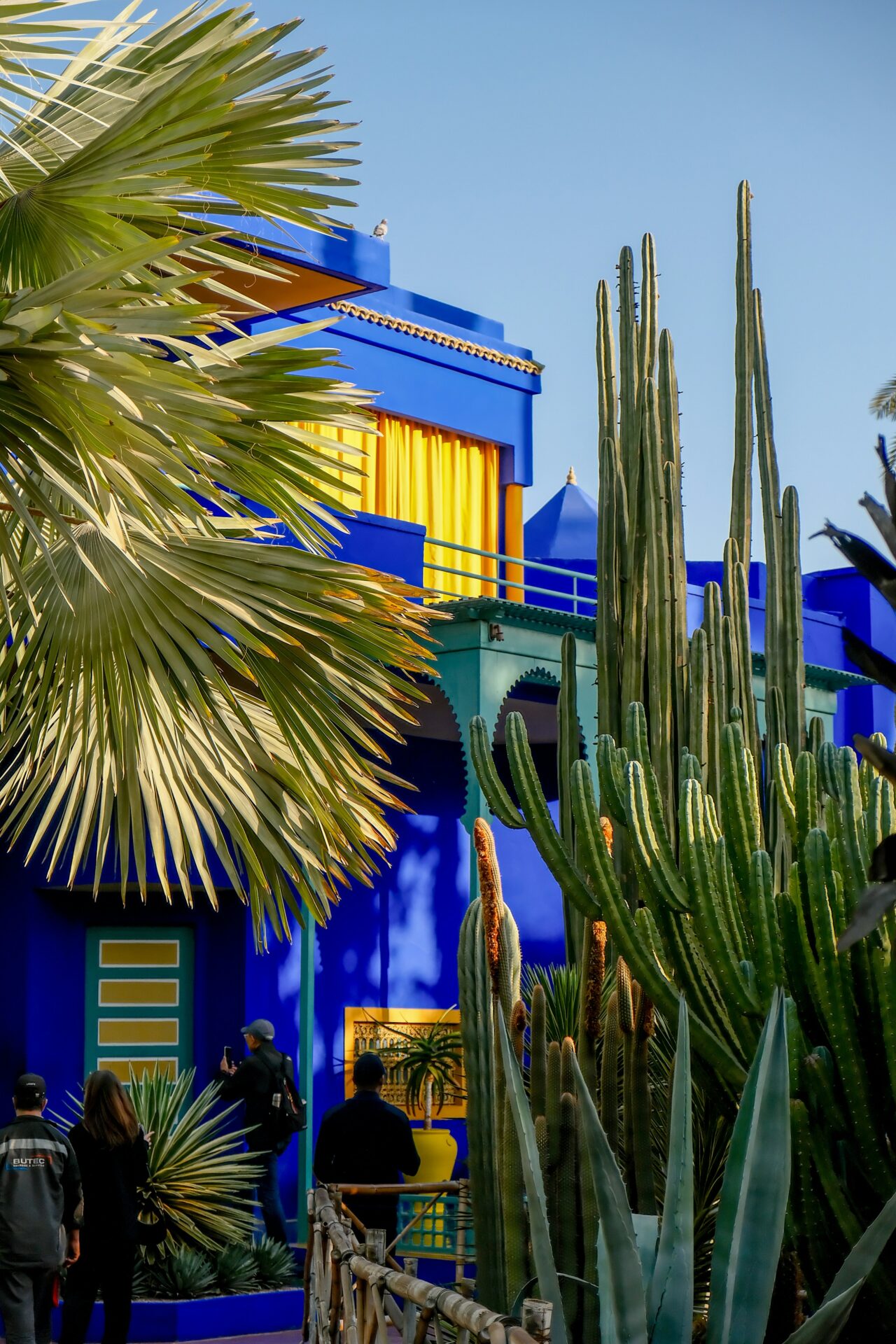
Originally designed by French artist Jacques Majorelle, this enchanting garden took more than 40 years to complete and is now a popular attraction, offering a peaceful retreat from the bustling streets of Marrakech. As well as the wide diversity of plant life, there’s a beautiful 1930s cubist villa to discover and an onsite café where guests can enjoy a light bite and a drink surrounded by greenery. A shaded respite from the Moroccan sun!
Yves Saint Laurent Museum
Located just next door to the Jardin Majorelle, the Yves Saint Laurent Museum is dedicated to the iconic French fashion designer. He loved Marrakech so much that he purchased the Jardin Majorelle and made it his home.
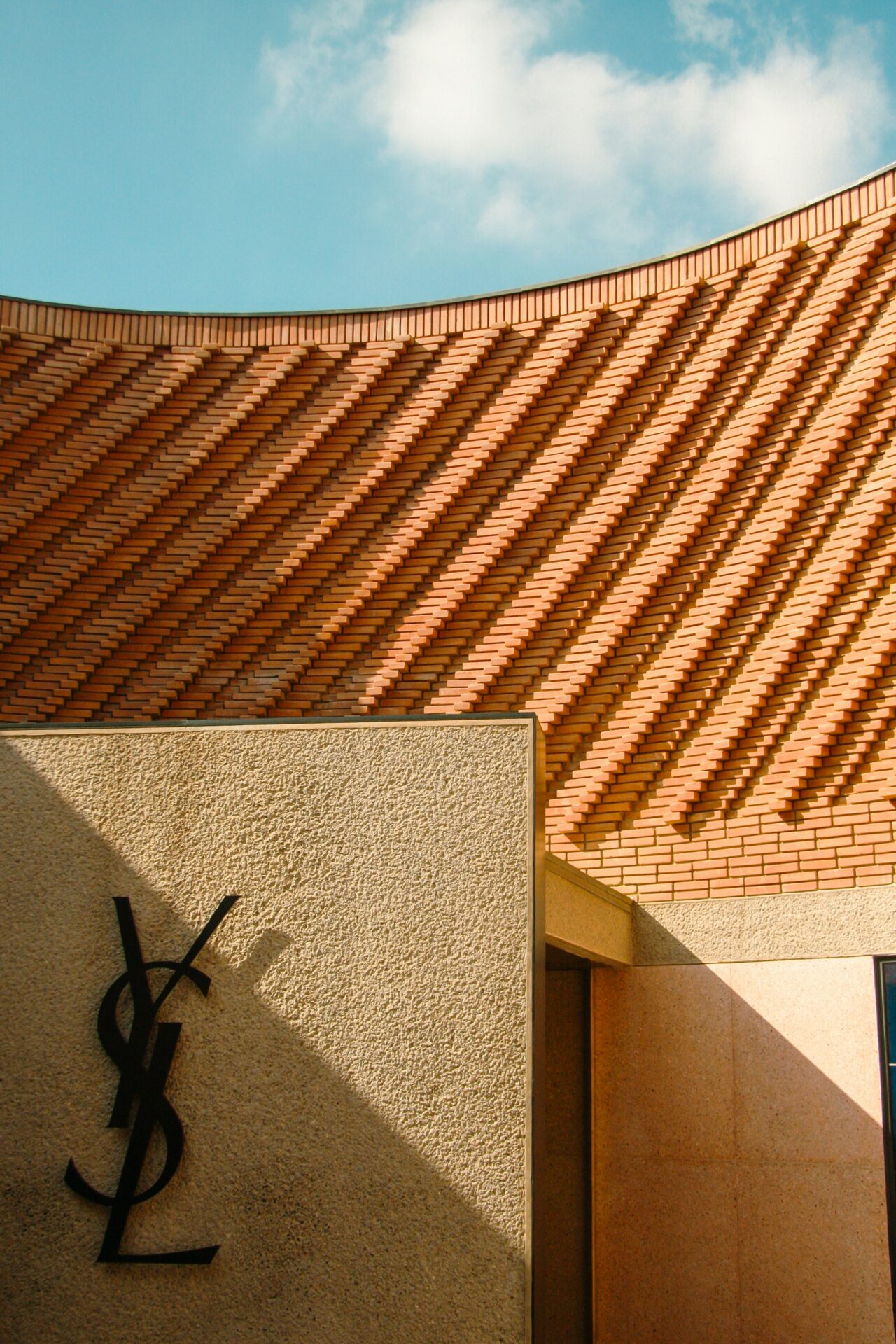
In his honour, the building next door now houses a rotating collection of the designer’s work, including photos, sketches, film extracts and of course some of his fashion collections. If visiting Jardin Majorelle, it makes sense to pop next door, whether you consider yourself a fashionista or not!
Jemaa el-Fnaa Square
The city’s main square, Jemaa el-Fnaa is one of the best things to visit in Marrakech, and the beating heart of the city. The square pulsates with life, energy, and excitement. Lose yourself in the maze of vibrant stalls, street performers, and aromatic food vendors as you experience the sensory overload of this UNESCO World Heritage Site.
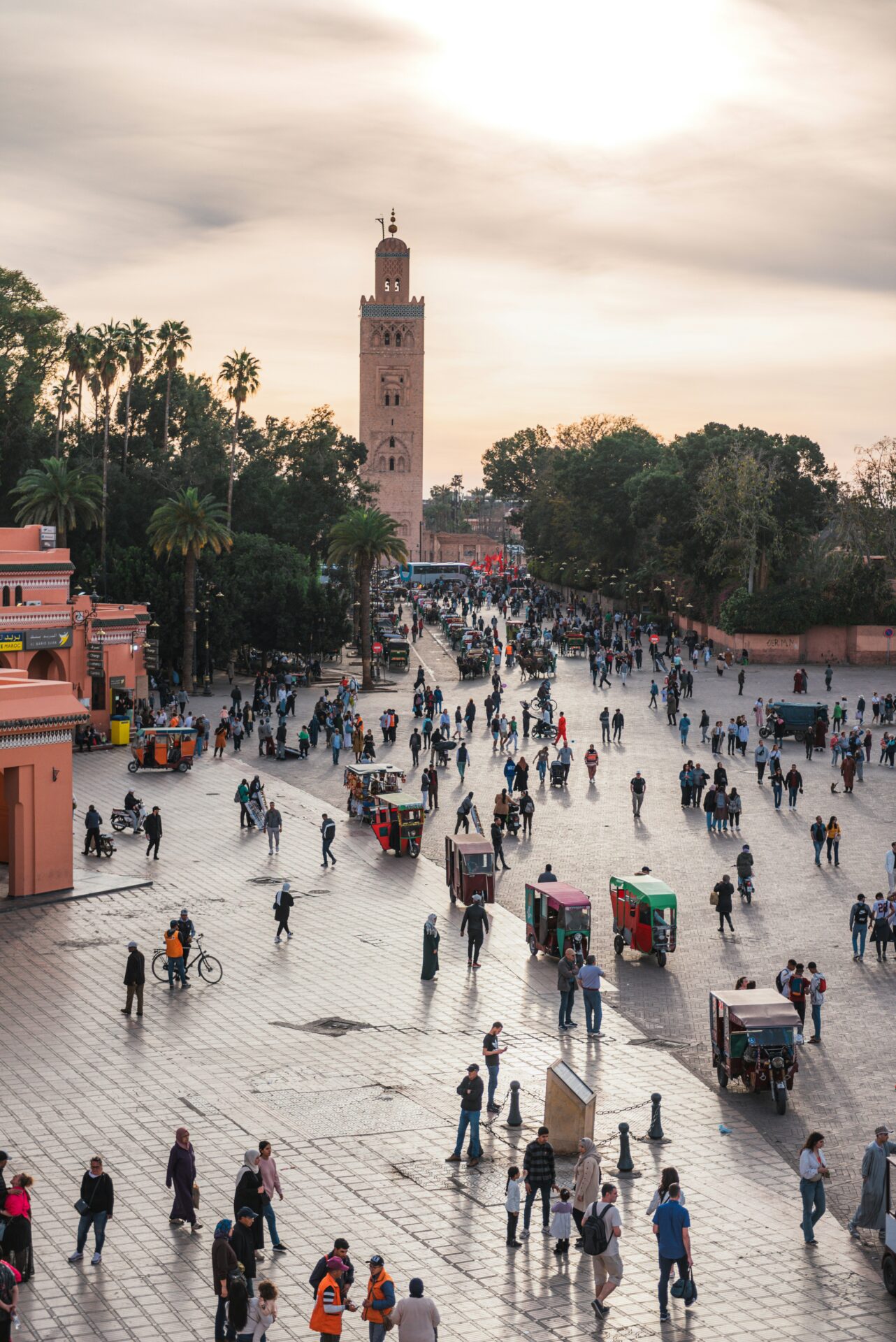
From charismatic snake charmers to fortune tellers, tattooists and street performers, the plaza is an absolute assault on the senses. Return at sunset when the musicians arrive and the surrounding restaurants fire up their grills. This is where the city comes alive throughout the night and into the early morning.
Koutoubia Mosque
No visit to Marrakech is complete without admiring the iconic minaret of Koutoubia Mosque, one of the best places to visit in Marrakech. It’s one of the city’s most recognisable landmarks and a symbol of Marrakech’s architectural splendour and religious significance.
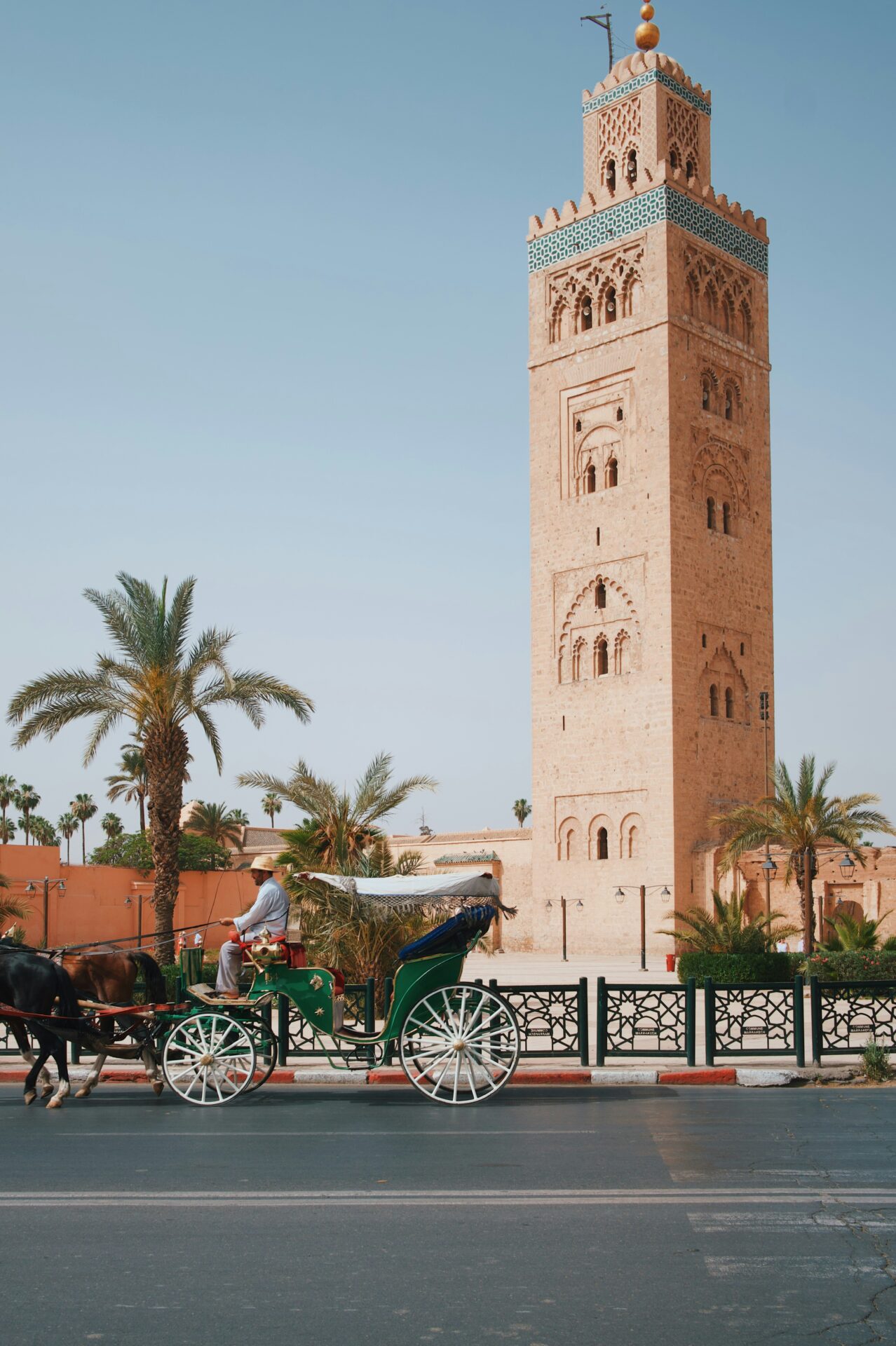
Located next to Djemaa el Fna, it’s the tallest mosque in the city and one of the oldest in the country, dating back to the year 1147. Marvel at the intricate details of its design and soak in the spiritual ambiance of this historic landmark, surrounded by lush gardens. The mosque is closed to non-Muslim visitors, but you can explore the surrounding gardens and view the 12th-century minaret for free.
The Medina
Medina means “city” in Arabic, and the Medina in Marrakech is the literal heart of the old city, dating back to the 11th century. This UNESCO-listed warren is best explored with a sense of adventure and a willingness to get lost! The narrow streets and colourful shops and market stores are an assault on the senses.
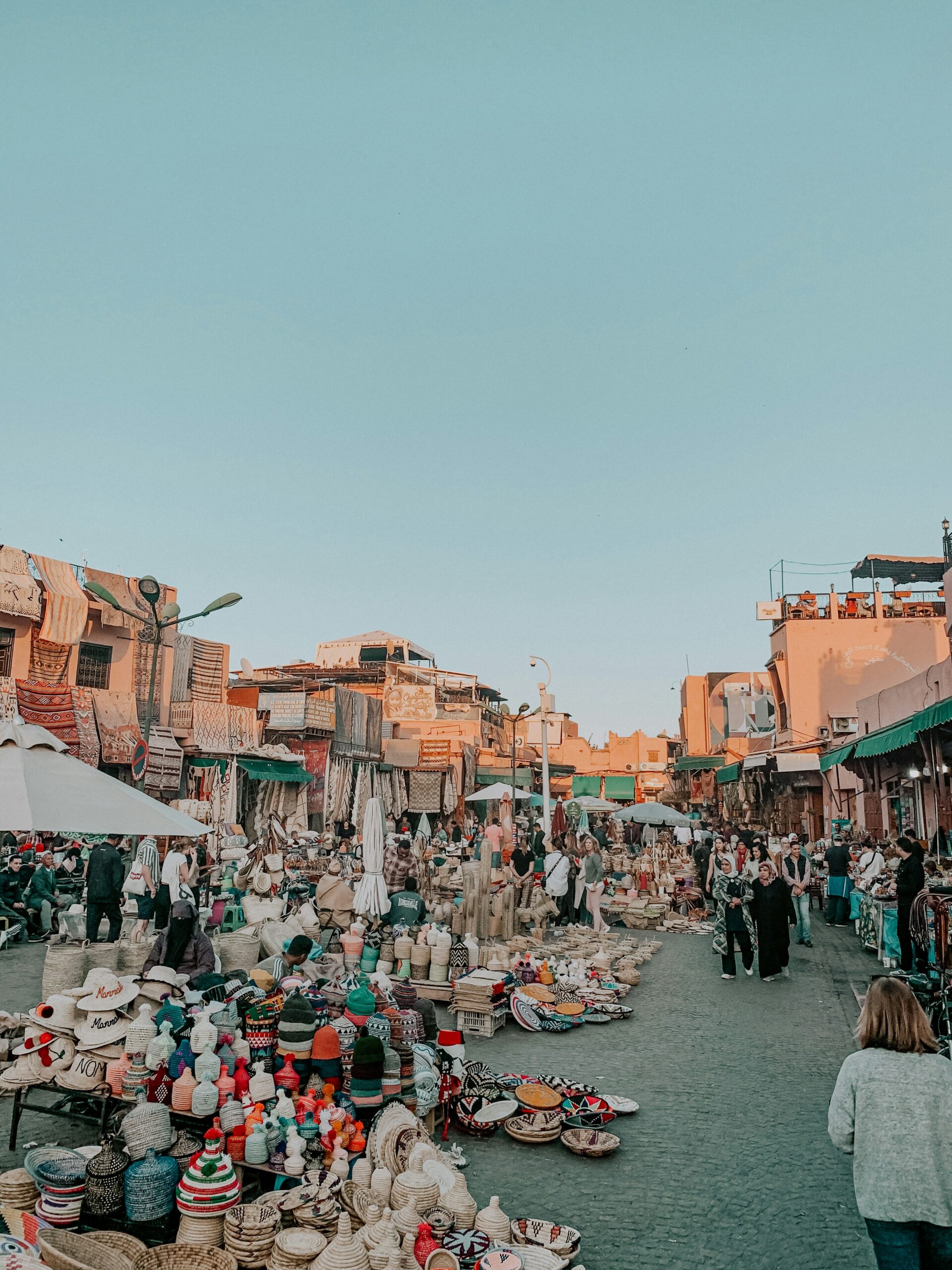
A word of caution: be aware of supposedly “kind strangers” offering to show you around, they tend to ask for payment for their apparently generous help! Most folks are kind and mean no harm just be wary of anyone in general and speak up or say no thanks. Tourists are the bread and butter of this town and most locals know that if you commit any crime on a tourist the punishment is severe. However, there are good and bad people everywhere in the world.
Bahia Palace
Travellers are transported back in time at the Bahia Palace, a breathtaking masterpiece of Moroccan architecture and design. Designed originally as the regal palace for Grand Vizier Si Moussa, it is now one of the city’s most popular visitor attractions.
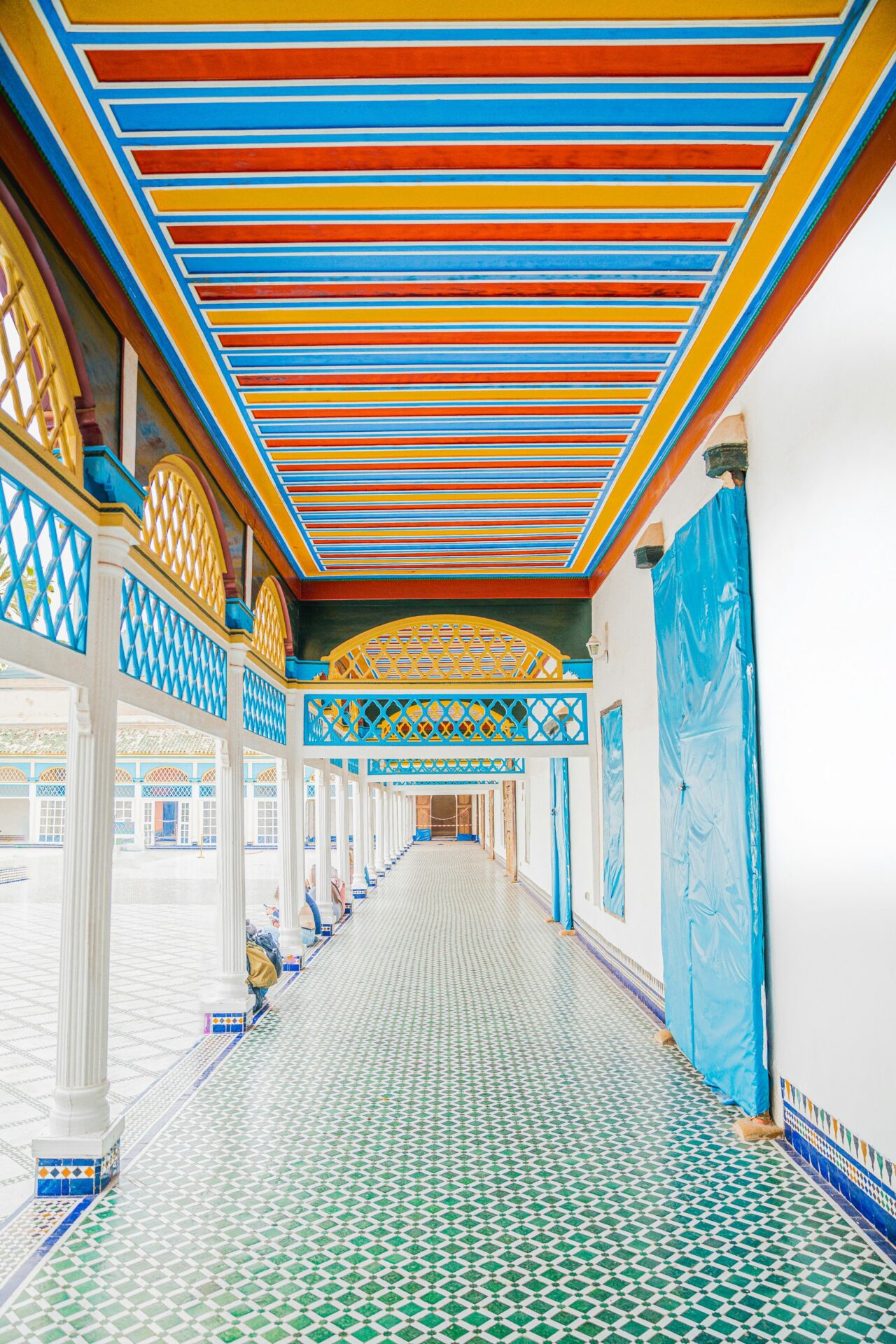
The King of Morocco also still uses the palace occasionally to receive foreign guests and dignitaries. Travellers can wander through its ornately decorated rooms, intricately carved ceilings, and lush gardens as you uncover the opulent lifestyle of Marrakech's elite.
The Souks of Marrakech
An absolute must for any traveller to Marrakech is to delve into the maze-like alleyways of Marrakech's legendary souks, where a treasure trove of goods awaits at every turn. From intricately woven carpets to handcrafted ceramics and aromatic spices, to leather goods and more, the souks offer a vibrant glimpse into Morocco's rich artisanal heritage.
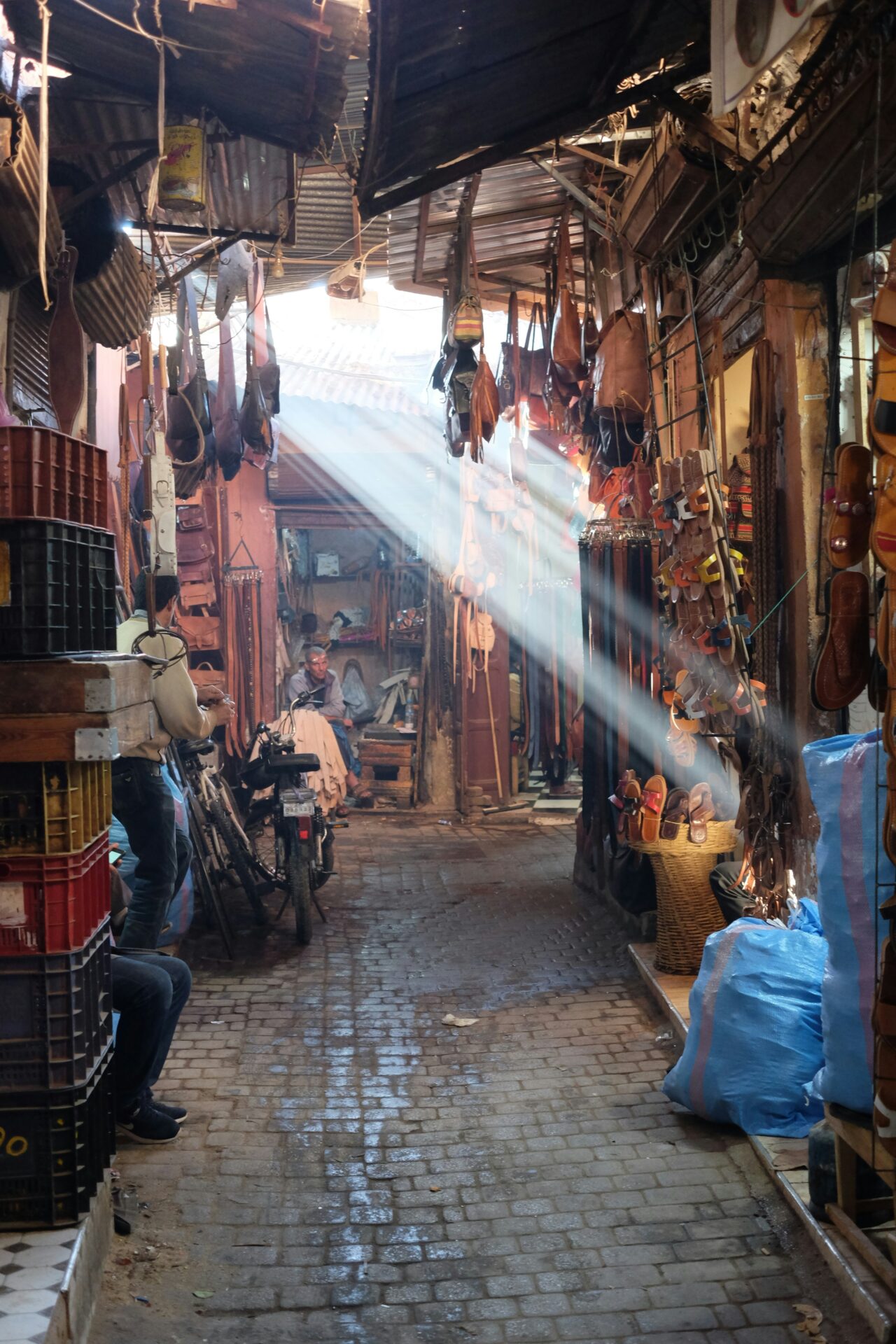
Although they can be overwhelming, it’s an incredible experience to lose yourself. The souks are a great place to have a go at haggling and you can browse a staggering array of handcrafted items. Traditional dress, spices and more.
Saadian Tombs
One of the best things to visit in Marrakech is this royal necropolis, hiding a storied past. The Saadian Tombs, a hidden gem is tucked away within the bustling city walls. Marvel at the exquisite marble carvings, intricate mosaics, and serene courtyards that adorn these ancient burial grounds, offering a poignant reminder of Marrakech's royal legacy.
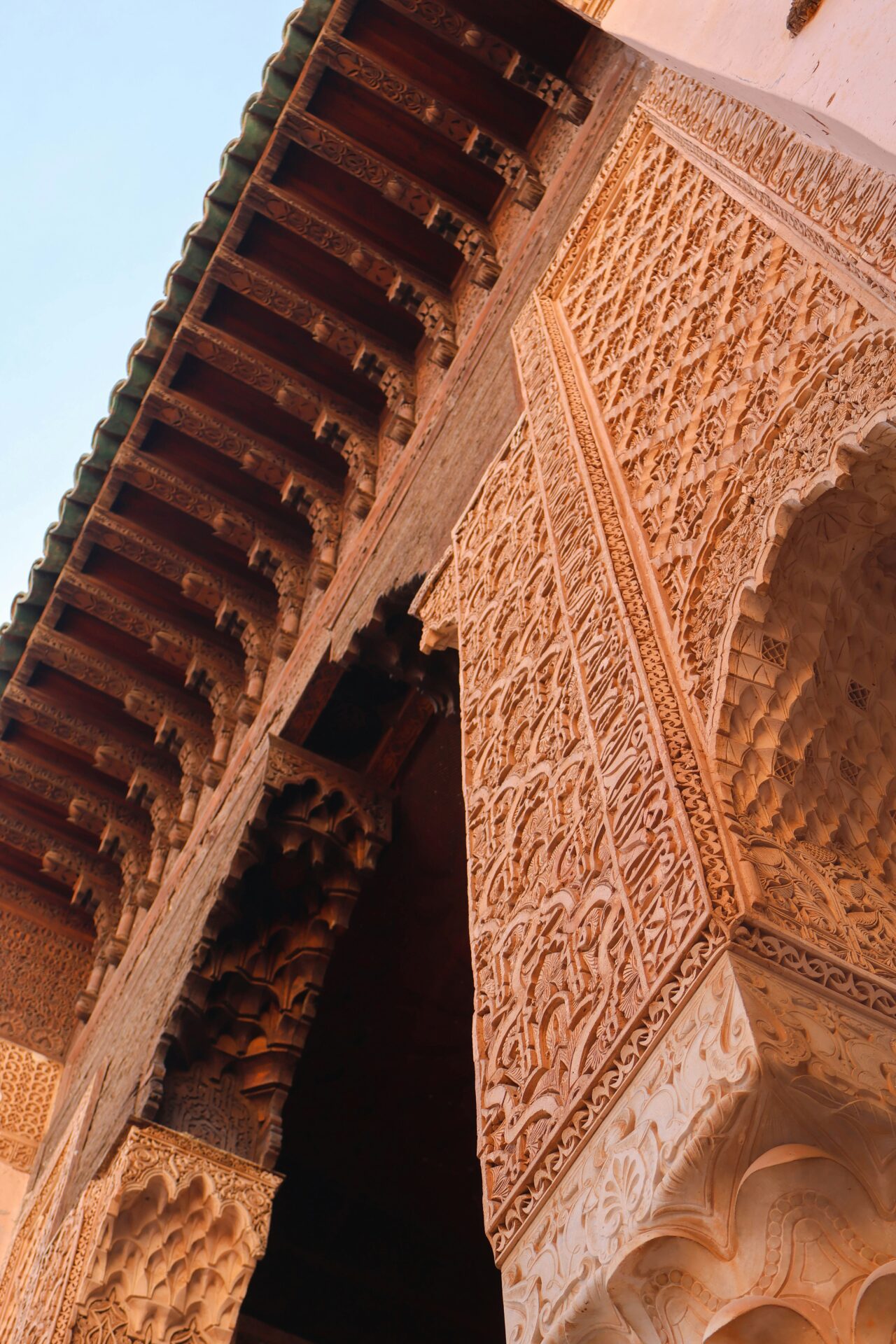
Built by powerful ruler Saadian Sultan Ahmed Al Mansour Ed Dahbi, the tombs were sealed up by one of his successors in the mid-1600s and were lost to mankind until rediscovered by aerial photography in 1917.
El Badi Palace
The El Badi Palace, a majestic ruin that evokes the grandeur of Morocco's imperial past. Constructed by the same sultan as the Saadian tombs, the palace was built using materials from as far away as Italy and Mali.
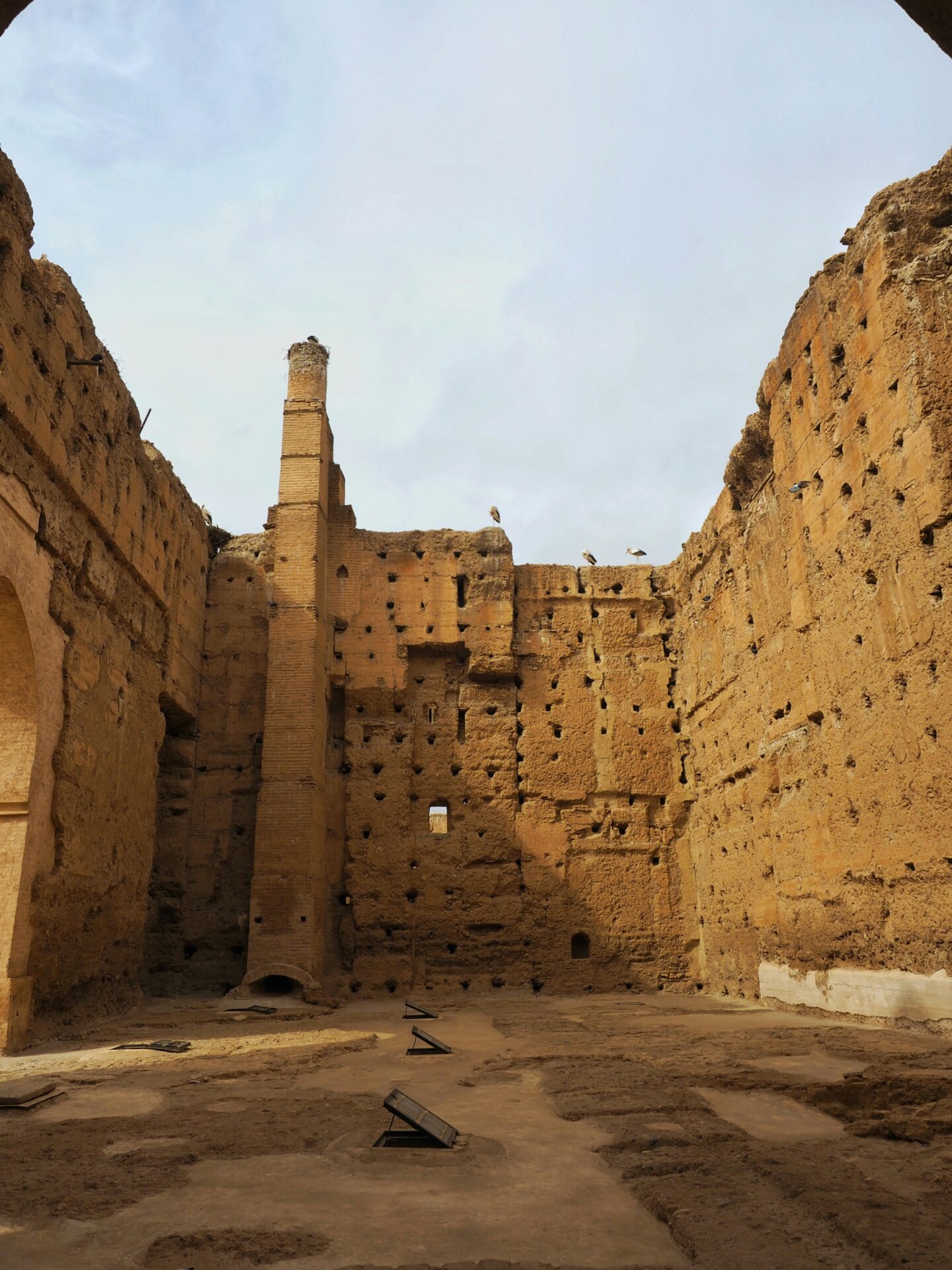
Although now in ruins, it is still an incredible experience to explore the remnants of the palace’s once-glorious architecture, including sunken gardens, towering ramparts, and ornate pavilions.
Le Jardin Secret
Le Jardin Secret, which translates to English as the Secret Garden, sparks intrigue and rightly so. Tucked away in the Medina, this oasis of calm is one of Marrakech’s worst-kept secrets.
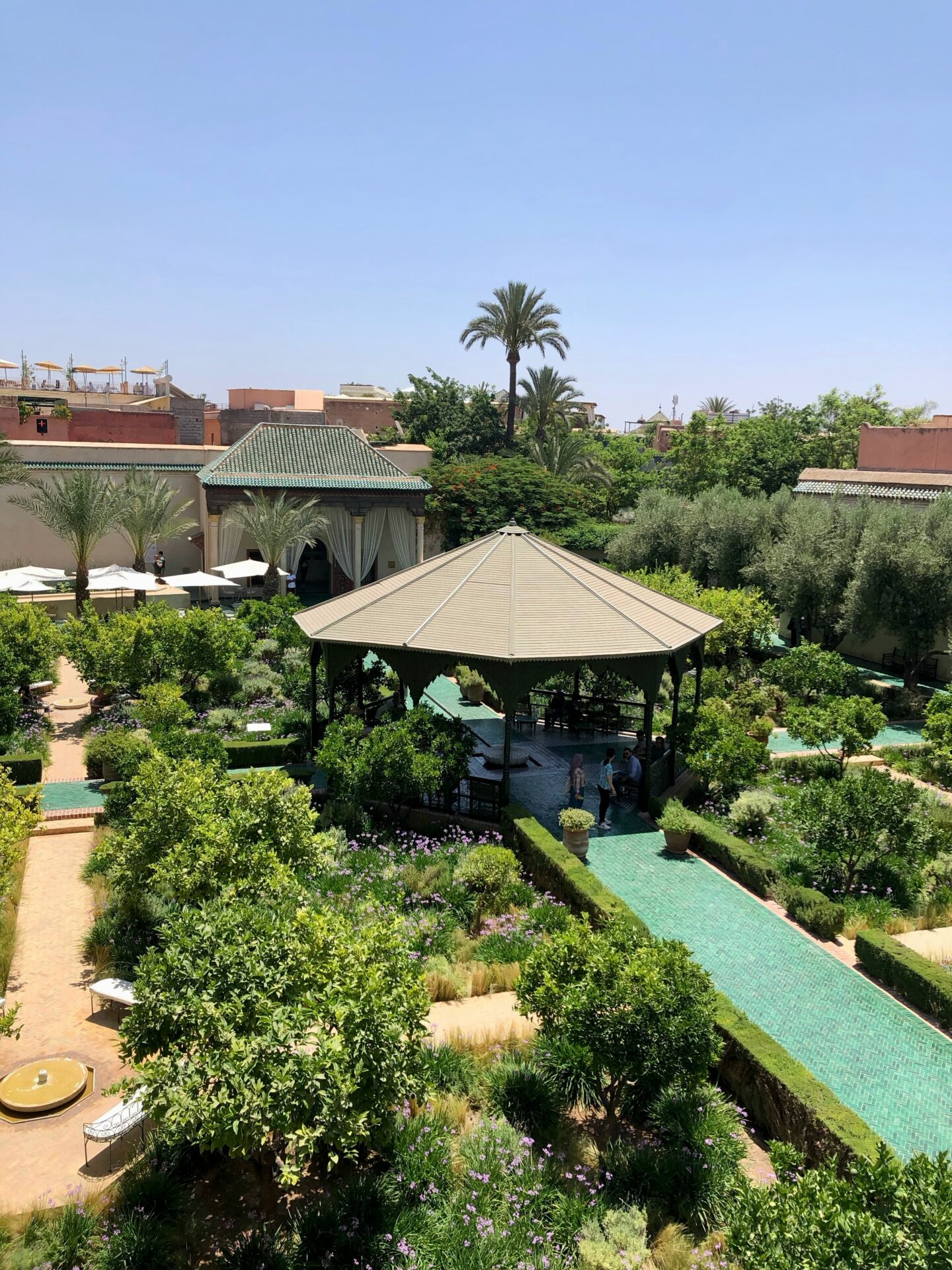
This museum dates back to the 16th century and houses two marvellous botanical gardens - one full of exotic allure and the other a prime example of Islamic horticulture. There is also a rooftop café offering glorious views across the city. If you are looking for things to do in Marrakech city, a trip here is worth the while.
OTHER MAJOR CITIES IN MOROCCO
casablanca
Casablanca is Morocco’s largest city and economic powerhouse, blending modern urban energy with deep historical roots.
Anchored by the stunning Hassan II Mosque - one of the largest mosques in the world perched dramatically over the Atlantic - the city is a hub for finance, commerce, and culture.
Its wide boulevards, Art Deco architecture, and bustling port reflect both French colonial influence and contemporary Moroccan life, while neighborhoods like the Corniche offer oceanfront dining and nightlife that showcase Casablanca’s cosmopolitan edge.
RABAT
Rabat, Morocco’s capital, offers a calmer, more refined contrast to the country’s busier cities, known for its clean streets, coastal setting, and political importance.
Set along the Atlantic Ocean and the Bouregreg River, it is home to landmarks like the historic Kasbah of the Udayas and the iconic Hassan Tower.
With its blend of ancient heritage, modern infrastructure, and government institutions, Rabat balances tradition and progress while maintaining a relaxed, livable atmosphere.
ESSAOUIRA
Essaouira is Morocco’s bohemian coastal gem, long celebrated as a haven for artists, musicians, and free spirits.
Its windswept medina hums with creativity, from vibrant galleries to street performers, but it’s most famous for its deep connection to Gnawa music—a hypnotic blend of African, Berber, and spiritual sounds.
Each year, the city comes alive during the Gnaoua World Music Festival, where global artists and local masters collaborate in electrifying performances, reinforcing Essaouira’s reputation as one of North Africa’s most soulful and culturally rich music destinations.
Tangier
Tangier sits at the crossroads of Africa and Europe along the Strait of Gibraltar, giving it a long history as a gateway for travelers, artists, and intrigue.
Known for its international flair and literary legacy, the city has inspired figures like Paul Bowles and William S. Burroughs. Today, Tangier blends a revitalized waterfront and modern cafés with the winding alleys of its historic medina, offering a unique mix of cultures, creativity, and coastal charm.
FES
Fes is Morocco’s spiritual and cultural heart, renowned for its remarkably preserved medieval medina,
Fes el-Bali—a UNESCO World Heritage site and one of the largest car-free urban areas in the world. The city is home to the historic Al Quaraouiyine University, often considered the oldest continually operating university, and is famed for its traditional crafts, from intricate zellige tilework to the iconic leather tanneries.
Walking through Fes feels like stepping back in time, where centuries-old traditions still shape daily life.
Agadir
Agadir is Morocco’s premier beach destination, known for its wide sandy shores, year-round sunshine, and relaxed resort atmosphere along the Atlantic coast.
Rebuilt after a devastating 1960 earthquake, the city features modern infrastructure, a scenic marina, and a long seaside promenade lined with cafés and hotels.
Overlooking it all are the hilltop ruins of Agadir Oufella, offering panoramic views, while the surrounding coastline draws surfers and travelers seeking a laid-back, sun-soaked escape.
Chefchaouen
Chefchaouen, nestled in the Rif Mountains, is famed for its striking blue-painted medina that gives the city a dreamlike, almost surreal atmosphere.
Its narrow, winding streets are filled with artisan shops, cozy cafés, and photo-worthy corners at every turn, attracting travelers, photographers, and creatives from around the world.
Beyond its beauty, Chefchaouen offers a slower, more peaceful pace of life, with nearby mountain trails and panoramic viewpoints adding to its laid-back, enchanting appeal.
Ouarzazate
Ouarzazate is a cinematic desert gateway on the edge of the Sahara, often called the “Hollywood of Morocco” for its sprawling studios and iconic film locations.
Framed by the Atlas Mountains, the city blends dramatic desert landscapes with rich Berber heritage, anchored by historic kasbahs like Taourirt and nearby UNESCO-listed Aït Benhaddou.
Long a crossroads for traders and travelers, Ouarzazate today offers a mix of culture, history, and striking scenery that feels both timeless and otherworldly.
Final tips
WHATSAPP IS KEY
Everyone uses it, including tour guides and taxi drivers.
Be sure to join the official Moroccan Incident WhatsApp group prior to your departure. We’ll be sending any and all event notifications through these channels.
CASH IS ESSENTIAL
Even in modern parts of town.
HAGGLING IS A SPORT
Start at half the price and have fun with it.
GETTING LOST IS PART OF THE ADVENTURE
You didn’t come on this adventure to sit by the pool and drink Pina Coladas. Morocco is an absolutely incredible country with magnificent history and culture. You’ll be surprised how easy it is to make new lifelong friends with your fellow Incident fans as well as your new Moroccan brothers and sisters.
Have a magical time in Marrakech!
And if a monkey swipes your hat, just laugh—it’s their city, we’re just visiting. Happy travels!
And so, the adventure begins!
You, dear traveler, are about to embark on something far beyond a mere trip - it’s a Pilgrimage of Sound, an immersion into the beating heart of Marrakech, where the streets hum with life, the air is laced with spice, and the rhythm of the city moves through you like an ancient melody.
This isn’t just about seeing a place; it’s about feeling it, tasting it, dancing with it. It’s about getting gloriously lost in the souks, discovering music in unexpected corners, and maybe, just maybe, letting a mischievous carpet vendor convince you that yes, you do need a flying rug for your living room.
Morocco is a feast for the senses, and YOU are about to be front and center for this symphony of culture. From the hypnotic call to prayer echoing across the rooftops to the late-night jam sessions under a starry sky, we are here to savor it all together.
We are beyond grateful to have you on this journey. Thank you for saying YES to adventure, to connection, to a destination where the headliner is the place itself. Marrakech is ready to welcome you—with open arms, a cup of mint tea, and possibly a camel or two.
Buckle up. Magic awaits. Yalla!